5 Things to Never Say to an Artist (Even If You Mean Well)
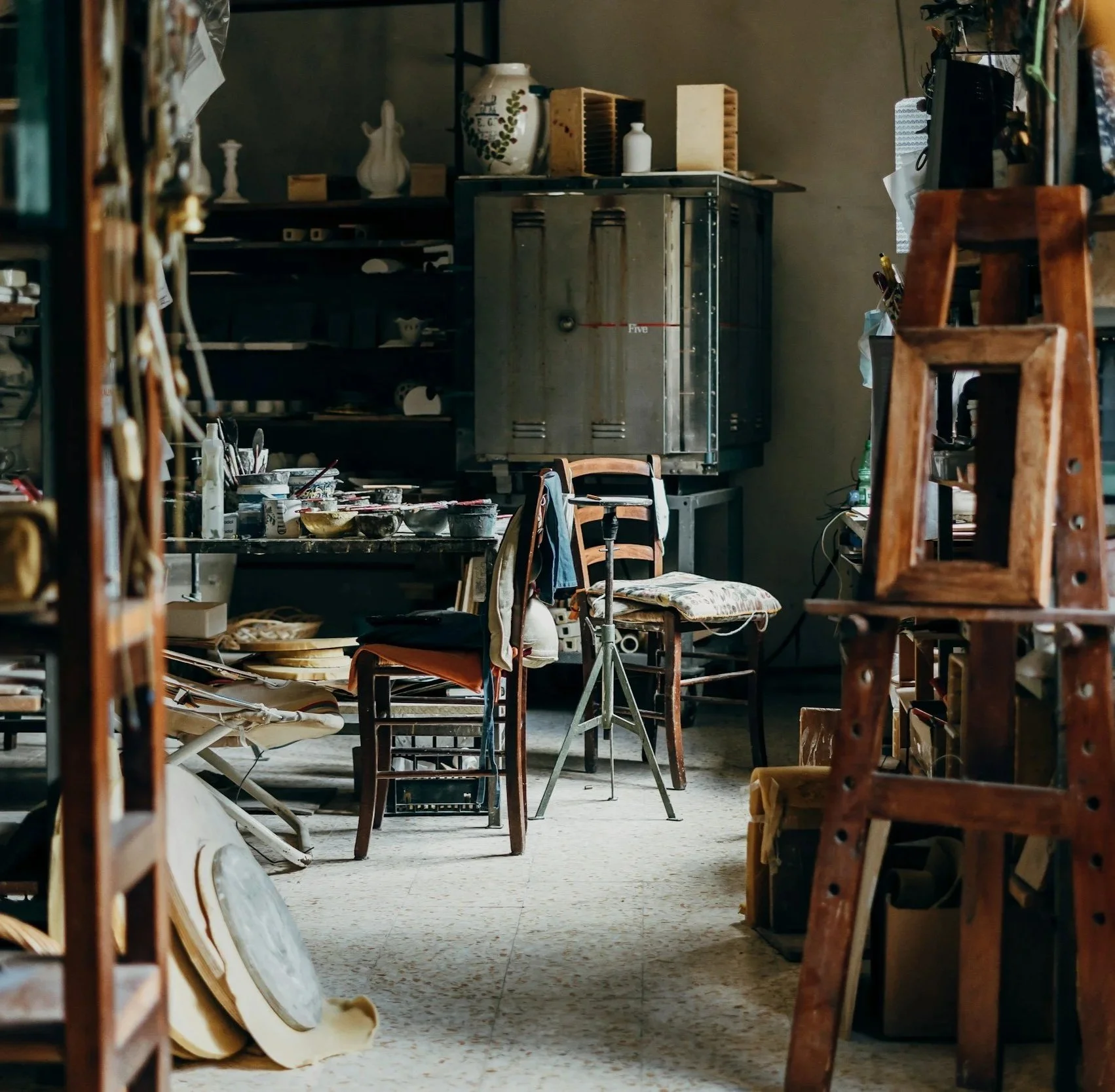
Even well-intentioned comments can sometimes land awkwardly when the speaker doesn’t understand the mind of the artist.
Creative work is personal; it’s a mix of emotion, skill, and vulnerability. A simple question or offhand remark can feel a little more loaded than intended.
If you’ve ever found yourself chatting with an artist at a studio tour, art fair, or opening, and wondered what not to say, here’s a friendly guide to help keep the conversation easy, positive, and genuinely supportive.
“It must be so relaxing to paint all day.”
Many artists laugh at this one, not because it’s rude, but because it’s so far from reality. Yes, painting can be therapeutic, but it’s also physically demanding, emotionally exhausting, and full of decision-making. Add the challenges of marketing, packing, shipping, and running a business, and “relaxing” doesn’t quite describe it.
Try instead: “Your dedication really shows in your work. What part of your process do you enjoy the most?”
That kind of comment recognizes both the effort and the joy in what they do.
“My kid could do that.”
This one might be meant as a compliment; after all, it takes confidence and spontaneity to create something so free. But when said out loud, it can feel dismissive of the years of training and experimentation behind a seemingly simple piece. Great art often looks effortless, but that’s the hardest look to achieve. In the gallery, I’ve also unfortunately heard this phrase used as a dismissive way to object to the pricing of perceived effort of the piece. To those people, I usually respond back just as dismissively: “then send me some of your kid’s art and I will sell those too” ;).
Try instead: “I love how confident and free this feels.” It’s a kind, insightful observation that celebrates what the artist has achieved. If you are saying this as an insult, well then please keep your thoughts to yourself. Oh, and if your child is a rare abstract phenomenon that can paint as well as professionals? Get them some art supplies and put their work on your wall.
“How long did that take you?”
It’s an innocent question, but for artists, time isn’t the best measure of value. A painting might take eight hours, or a lifetime of learning, to reach that point. The real work isn’t just the hours on the canvas; it’s everything that came before.
Try instead: “I’m fascinated by your technique. How did you create this piece?” It invites a story, not a stopwatch.
“Why is it so expensive?”
This question usually comes from genuine curiosity, but it can be tricky to navigate. Pricing artwork isn’t about marking up paint and canvas. It reflects years of training, hours of studio time, materials, framing, exhibition fees, and all the invisible costs of running a creative business.
When you question the price, even kindly, it can feel like questioning the artist’s worth.
Try instead: “I can see how much work and thought goes into your pieces.”
Or if you must ask about pricing, “How do artists typically decide on pricing?” It’s a respectful way to learn without undervaluing the work...but know that this line of questioning should not lower the price at all. When the price of artwork has been set, typically the client must decide if the artwork is in THEIR budget, not try to manipulate the price to align with their expectations. (Artists: stay firm on your chosen prices!)
“You’re so lucky to be able to do what you love.”
Most artists do feel lucky, but “lucky” can imply that their career just happened by chance. In reality, it’s built on discipline, resilience, and years of taking creative and financial risks.
Try instead: “It’s inspiring that you’ve built a life around your art.” That small shift celebrates the courage and commitment it takes to make creativity a career.
A Final Thought
Artists love when people engage with their work. Asking questions, sharing what draws you in, or simply expressing how the art makes you feel—those are the conversations that light them up.
A little awareness goes a long way. With the right words, you can make any artist feel seen, respected, and encouraged, and that’s a gift every creative person remembers.