“Why am I even trying to sell art right now?”

I hear this question constantly — sometimes directly, sometimes between the lines.
An artist will come into a session and say, “Promoting my work feels weird right now,” or “I don’t know how to show paintings online when the world is so intense,” or “Who is even buying art anymore?” And honestly, it’s a fair question. When people are stressed, when the news cycle is brutal, when money feels tight and the future feels uncertain, buying art can start to feel like the most “optional” thing in the room.
Feeling conflicted about selling art right now doesn’t mean you’re doing something wrong. It means you’re paying attention.
Artists are sensitive people who absorb what’s happening around them. And many of them carry this extra layer of pressure — the idea that they should only show up when they have something perfectly uplifting to offer, or that they should step back altogether until the world calms down.
The problem is… the world rarely calms down.
And historically, the need for art doesn’t disappear during difficult times. It actually increases. This isn’t just a motivational statement, we’ve seen it. During the pandemic, for example, the art market didn’t simply collapse and go quiet. For many artists, interest shifted rather than vanished. People were stuck at home and craving comfort, beauty, distraction, and meaning. Collectors bought work not because everything was fine, but because they wanted their environment to feel more human. I wrote more about this in my article about how the pandemic changed the art world, but the point is simple: uncertainty doesn’t erase the desire for art, it often sharpens it.
This is where I think artists get stuck. Creating still makes sense, because creating is personal and necessary. It’s the selling part that starts to feel uncomfortable, like it’s inappropriate or tone deaf.
But selling art isn’t asking people to ignore the world. It’s offering something that helps them live in it. The people who buy art are not only people who are carefree. Many are going through things: change, grief, burnout, transition, reinvention. They buy art because they want something on their wall that reminds them who they are, or what they value, or what they want to feel more of in their daily life. In other words: art is not a frivolous purchase. It’s an emotional one.
And that’s why I don’t advise artists to go silent during times like this. I advise them to get more grounded. More human. Less performative. Because if the world feels heavy, your marketing doesn’t need to be louder — it needs to be truer. You don’t need to act like everything is fine. You don’t need to force an inspirational tone. You just need to keep sharing what you’re making, why it matters to you, and what you hope it might bring into someone else’s space. People respond to honesty. They respond to sincerity. They respond to work that feels like it came from an actual person, not a brand.
So if you’re wondering whether you should keep trying to sell your work right now, my answer is yes — not desperately, not aggressively, not with pressure. Just steadily. The world is messy, and people are still building homes, moving through personal chapters, trying to create beauty where they can, trying to feel something real. Art fits into that. Artists fit into that. And the ones who keep showing up aren’t being insensitive — they’re offering something meaningful at exactly the moment it’s needed.
Take home my best sales tips:


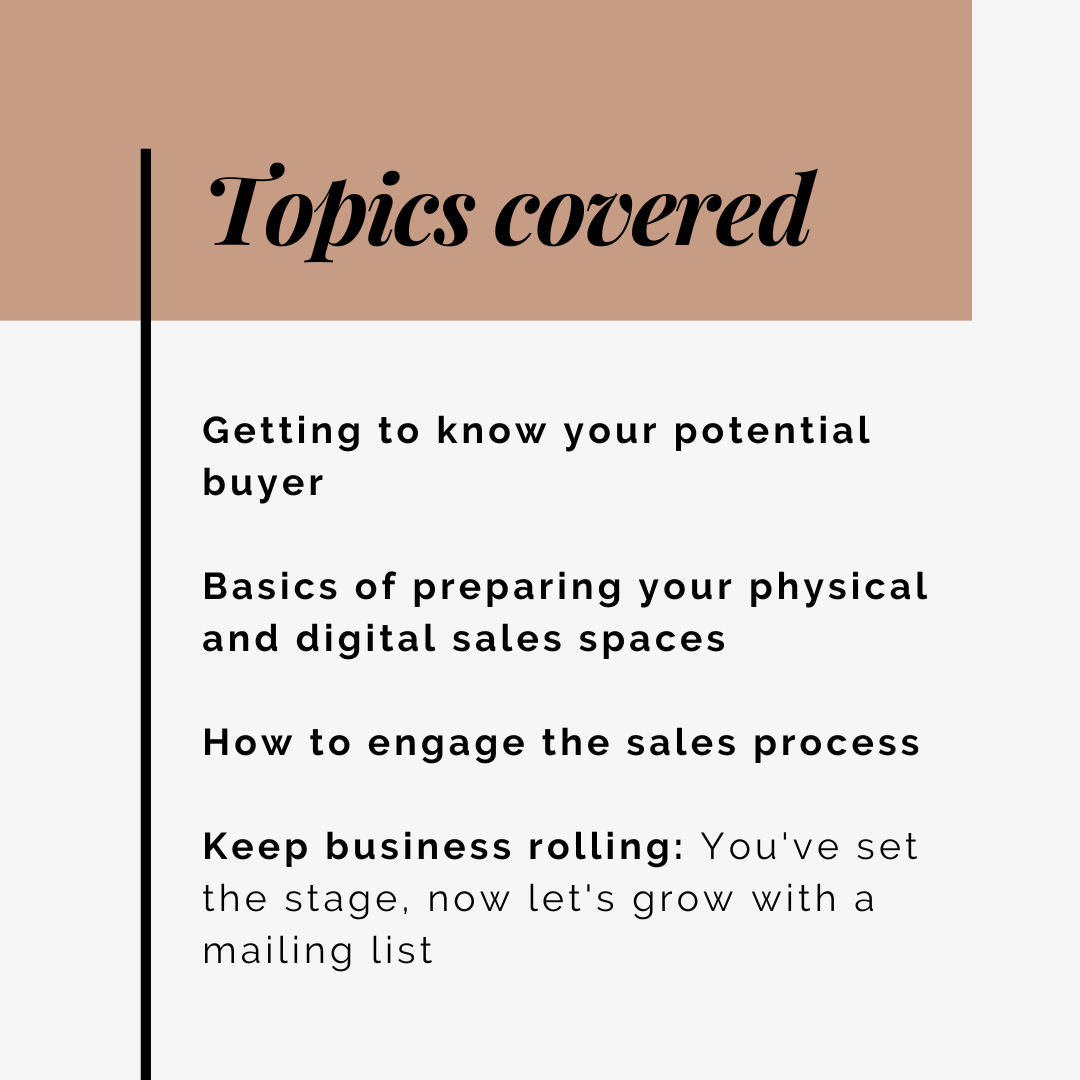

In this guide, I’ve compiled all of my best sales strategies that I’ve built over 15 years in the commercial art industry. I’ve sold in galleries, international art fairs, artist-run exhibitions, and online. If you follow my tips, you’ll start to see sales success! This information is generally shared through 1-on-1 consultations valued at $125/hour, but is now available as a digital PDF book which you can keep to reference over time - especially handy to reference as you prepare for exhibitions.
Comment from a client:
“I found Alissa's "How To Sell Art - The Ultimate Guide" extremely helpful. It was clearly laid out, included tips on all aspects of dealing with a client (both in person and online), and most importantly, it didn't promote a "salesy" off putting approach. Rather, she provided suggestions for information gathering and respecting the client. A thoughtful and considerate method of selling that I can work with!”
From Laurie Skantzos, Ontario artist
When you purchase at this link, the PDF will be immediately available for download.